
Crocs
Toddler Classic Clog
clog · pivoting heel strap
Amazon link availableSide-by-side comparison
Compare Crocs and Native toddler shoes by coverage, retention, ventilation, cleanup, and the surfaces in a child's real day.
Crocs and Native Shoes often meet on the same summer shortlist because both brands sell lightweight molded footwear that can handle splashes and wipe-downs. The resemblance ends before the decision does. A vented clog with a pivoting heel strap behaves differently from a closed molded sneaker with a more enclosed heel, and both brands offer models beyond those familiar silhouettes. Build this comparison as a map of places: home, car, pool deck, playground, daycare, and longer walks. Mark the surfaces, rules, and amount of movement in each place. Then ask which exact model provides suitable coverage and stays on during that part of the day. A quick-drying material is useful, but it cannot compensate for a loose heel, a prohibited open back, or debris entering through large vents.
The classic comparison is usually a Crocs clog against a Native Jefferson-style slip-on, yet the two shapes solve entry and retention differently. A clog typically has a roomy opening and movable heel strap. A molded sneaker generally surrounds more of the foot and uses an elasticized opening or slip-on throat. Confirm those details on the exact listing because brand catalogs include sandals, boots, and alternative uppers too. Decide whether the child needs a shoe that can be stepped into for brief transitions or one that should remain in place through sustained movement. If the real candidates are a Crocs sneaker and a Native sandal, discard the usual clog-versus-slip-on talking points and compare the constructions actually in the cart.
Water-friendly does not mean appropriate for every wet location. Identify whether the pair will meet sprinklers, a pool changing area, damp grass, beach sand, or ordinary rain. Next trace what happens afterward. Will the child walk on hot pavement, climb into a car seat, return to a classroom, or change into dry shoes? Look for the maker's current guidance on materials, drainage, and cleaning. Check the outsole when wet and inspect for trapped grit around vents and footbeds. A model that rinses easily may still need time to dry or a second pair for the next setting. Never treat molded construction as proof of slip resistance on all surfaces.
Ask the child to walk, turn, squat, and take several quick steps during an indoor trial. Watch whether the heel lifts excessively, toes grip to keep the shoe on, or the upper shifts sideways. On a clog, test the heel strap in the position intended for active use. On a closed slip-on, make sure the opening allows entry without creating a loose collar after the foot is inside. The correct length cannot rescue a shape that fails to hold the foot securely. Conversely, a close-looking opening should not leave marks or make removal difficult. Compare the left and right foot because asymmetry may expose a retention problem that a seated check misses.
Large ports can move water and air but also admit mulch, small stones, and sand. More enclosed molded uppers block some debris while retaining more warmth and moisture. Neither tradeoff is universally better. For a protected splash area, easy drainage may lead. For a wood-chip playground, toe and side coverage plus a secure heel may matter more. Daycare policies can eliminate an otherwise appealing model if open backs, prominent holes, or loose footwear are not allowed. Read the center's rules before buying. Socks also change the equation: they may reduce rubbing in one model while staying damp or bunching in another. Test the exact combination planned for the day.
Molded footwear earns attention partly because ordinary dirt can often be rinsed or wiped away. Still, care instructions differ. Check whether the brand warns against high heat, direct sun, dishwashers, washing machines, or harsh cleaners. Heat can affect shape, and decorative pieces or mixed-material components may need different handling from the molded body. Look inside after washing for grit beneath the foot and residue around vents. A shoe that cleans quickly but is repeatedly left wet in a bag is not functioning as an easy-care choice. Build drying space into the routine and label daycare pairs in a location that remains legible without irritating the foot.
Write tomorrow's route in order and assign a shoe requirement to each stop. If one exact Crocs or Native model satisfies the strictest setting and remains comfortable through the rest, the decision is simple. If no single pair crosses every boundary, decide where a change is practical. A water shoe can live beside a dry playground sneaker; a quick errand clog can stay out of daycare. This is more honest than forcing a universal answer from two broad brands. Before checkout, verify size, color, model name, heel configuration, and return terms. After arrival, perform the route's movements indoors and keep packaging clean until retention and comfort are clear.
Reviewed model starting points
These model families link to Amazon listings. Check the selected size, width and color because availability and features can vary.
Crocs
clog · pivoting heel strap
Amazon link available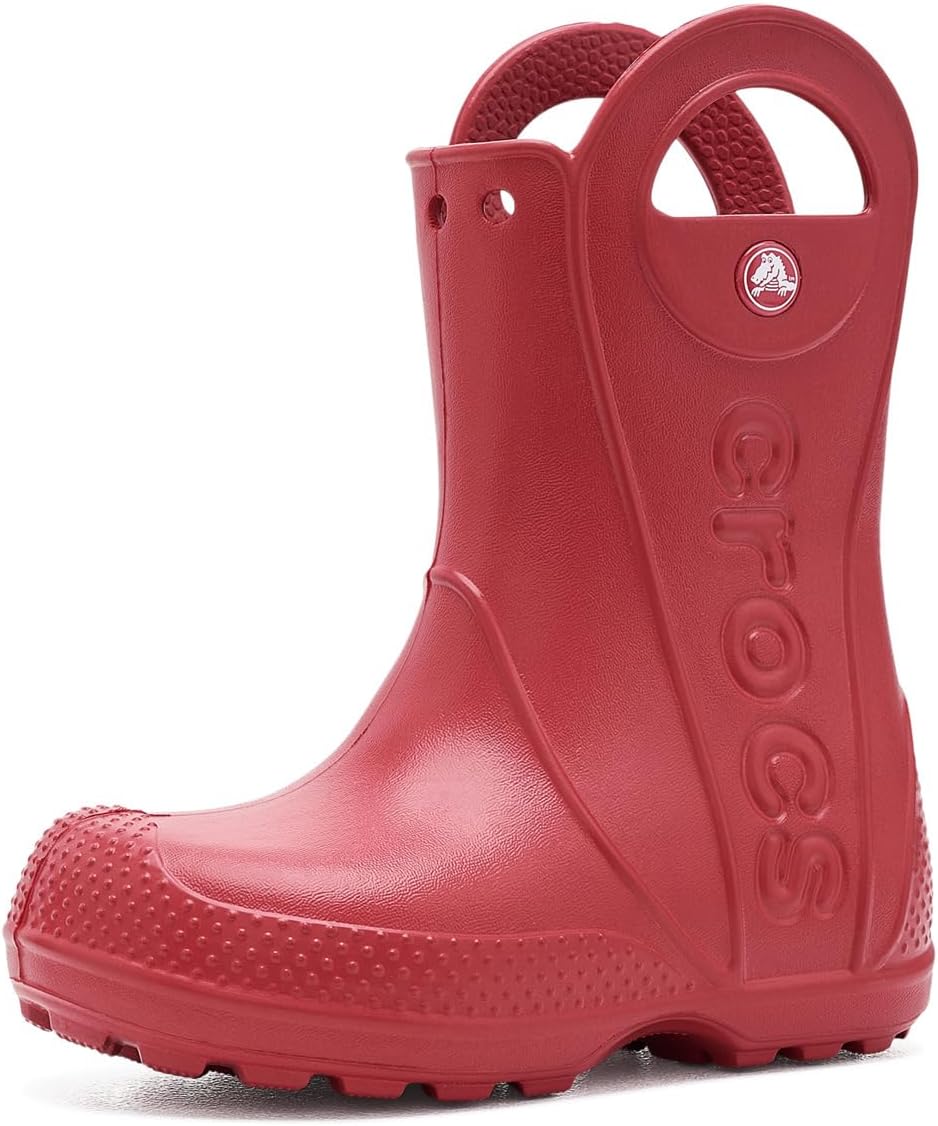
Crocs
rain boot · pull-on handles
Amazon link availableNo. Compare exact models rather than reducing either brand to one silhouette. Opening shape, heel enclosure, vents, straps, outsole pattern, and materials can create different on-foot behavior.
Use the playground surface and rules to decide. Prioritize secure retention, appropriate toe and side coverage, and an outsole suited to the stated use; then confirm fit during active indoor movements.
If the manufacturer allows it, socks can be part of the fit test. Use the thickness planned for wear and check for bunching, dampness, pressure, and heel movement rather than assuming socks improve every model.
Follow the exact care label. In general, avoid inventing a high-heat shortcut. Open the pair, remove ordinary debris as directed, and allow enough recovery time before the next outing.