
Stride Rite
Soft Motion Artie First Walker
high-top sneaker · hook-and-loop strap; elastic laces
Amazon link availableFit & Sizing
Learn why DIY stretching is unpredictable in toddler shoes, locate the tight zone and choose return, replacement or manufacturer guidance instead.
Do not use heat, liquid, freezing, a mechanical stretcher or a wear-through-the-pain break-in routine on toddler shoes. Materials and constructions respond unpredictably, alteration can move pressure rather than create correct fit, and the child cannot reliably monitor the process. Identify whether length, width, instep, opening or a local seam is tight, then return, replace or ask the manufacturer about an expressly supported remedy.
For a growing child, home stretching is a poor first response. A shoe combines upper, lining, seams, reinforcement, adhesive, footbed and sole; changing one area can affect another or violate care and return rules. Even when an adult shoe material is described as stretchable, that does not establish a safe amount, method or result for this toddler model. Keep the pair unaltered while you diagnose the complaint.
Remove the shoes and inspect the feet, socks and interior. Stop use when there is pain, broken skin, swelling or a marked walking change. If symptoms persist outside the footwear, seek appropriate health guidance rather than altering another pair. When the issue is an ordinary new-shoe pressure clue without injury, preserve packaging and proceed to a fit map.
Draw a simple shoe outline and mark the location: front of longest toe, side of forefoot, top of instep, opening during entry, heel collar or one internal seam. Add when it appears—immediately, after fastening, during turns or after longer wear. “Too tight” is not yet enough information. Each zone suggests a different variable and only some involve upper width at all.
Check the sock for bunching and the shoe for debris, folded lining or a misplaced removable footbed. Open every supported closure before entry. Compare left and right because one shoe can contain a defect or one foot can be larger. If resetting the intended components removes the problem, no stretching question remains. If pressure returns in the same location, keep that evidence for the return or replacement decision.
A material may soften through ordinary approved wear, but that possibility should not be used to excuse insufficient length, compressed toes, an instep that prevents closure or a heel edge that damages skin. Break-in is not a controlled sizing method. Toddlers should not be asked to wear a painful pair until it changes, and caregivers cannot know that it will expand in the required direction.
Ask a narrower question: does the maker describe a normal settling process for this exact model, and does the pair already pass fit without injury? If the answer to either part is no, do not conduct an outdoor experiment. A returnable shoe should remain clean and unmodified. A worn pair that has become tight because the foot grew needs remeasurement, not a second break-in period.
Heat from a dryer, hair dryer, radiator or hot vehicle can affect adhesives, coatings, shape and components. Liquid methods can stain, alter finishes, remain in linings or conflict with waterproof construction. Freezing water inside a shoe applies expansion without control over seams or internal geometry. Mechanical stretchers are made in different forms and cannot establish that the altered shoe will match a toddler's foot.
Do not combine these methods with thick socks and prolonged wear. That adds pressure to an already questionable fit while exposing the shoe to unapproved treatment. Commercial stretching services also require caution: ask the manufacturer whether alteration is supported and what happens to returns or warranties. A professional service changes the tool, not the need for model-specific permission or post-alteration fit verification.
Front contact calls for current length measurement and the chart. Side pressure with adequate length calls for a wider or differently shaped toe area. Pressure over the top points toward greater instep volume, a broader opening or another closure layout. A narrow entry with comfortable interior may require a model that opens farther. One rough seam or asymmetric shoe can be a defect inquiry rather than a size change.
Keep heel control in the decision. Moving up for width or instep room can introduce sliding, while sizing down to secure the rear can crowd the front. When adjacent sizes fail in opposite zones, leave the model. The correct remedy is the pair whose original construction provides all required dimensions; an altered compromise lacks the chart and return evidence that made the first candidate reasonable.
Return an unworn pair when the fit map shows a mismatch and the seller's conditions allow it. Replace a worn, outgrown or damaged pair rather than attempting to recover space. Contact the manufacturer when the issue is unclear, the model has a specific care or adjustment feature, or one shoe appears different from the other. Describe the pressure zone, current foot measurements, sock setup and model variation without claiming the shoe needs stretching.
If return is impossible, that does not make alteration appropriate for child use. Set the pair aside, consider resale or donation only if it is unaltered, clean, sound and accurately described, and purchase a fitting replacement. Do not pass along a modified shoe without disclosure. The financial disappointment is real, but continued wear should not be used to justify a known mismatch. Store it away from the active rotation while the next decision is pending so another caregiver does not mistake it for an approved pair.
For the replacement, measure both feet, use the intended socks and follow the exact chart. On a clean floor, assess standing toe position, forefoot alignment, instep, heel and closure, then observe walking and turning. Record which dimension changed from the rejected pair. This makes the solution explainable: more toe width in a different last, not stretched material; broader opening, not forced entry.
Keep the record with the date and model. If the same pressure appears across several properly fitted candidates, or if pain, skin injury, swelling or limping continues, stop retail trial-and-error and seek appropriate professional guidance. A conservative decision is not a claim that shoes never change with wear. It recognizes that planned alteration is an unreliable substitute for selecting the needed space from the beginning. Before discarding a rejected pair, preserve order details and photograph any asymmetry that may support a defect inquiry. Do not test an alternative method merely because the return deadline passed; lost return value does not make the modification predictable. If a relative suggests a successful adult-shoe trick, explain that the toddler's fit map and this model's construction are the controlling evidence.
Reviewed model starting points
These model families link to Amazon listings. Check the selected size, width and color because availability and features can vary.
Stride Rite
high-top sneaker · hook-and-loop strap; elastic laces
Amazon link available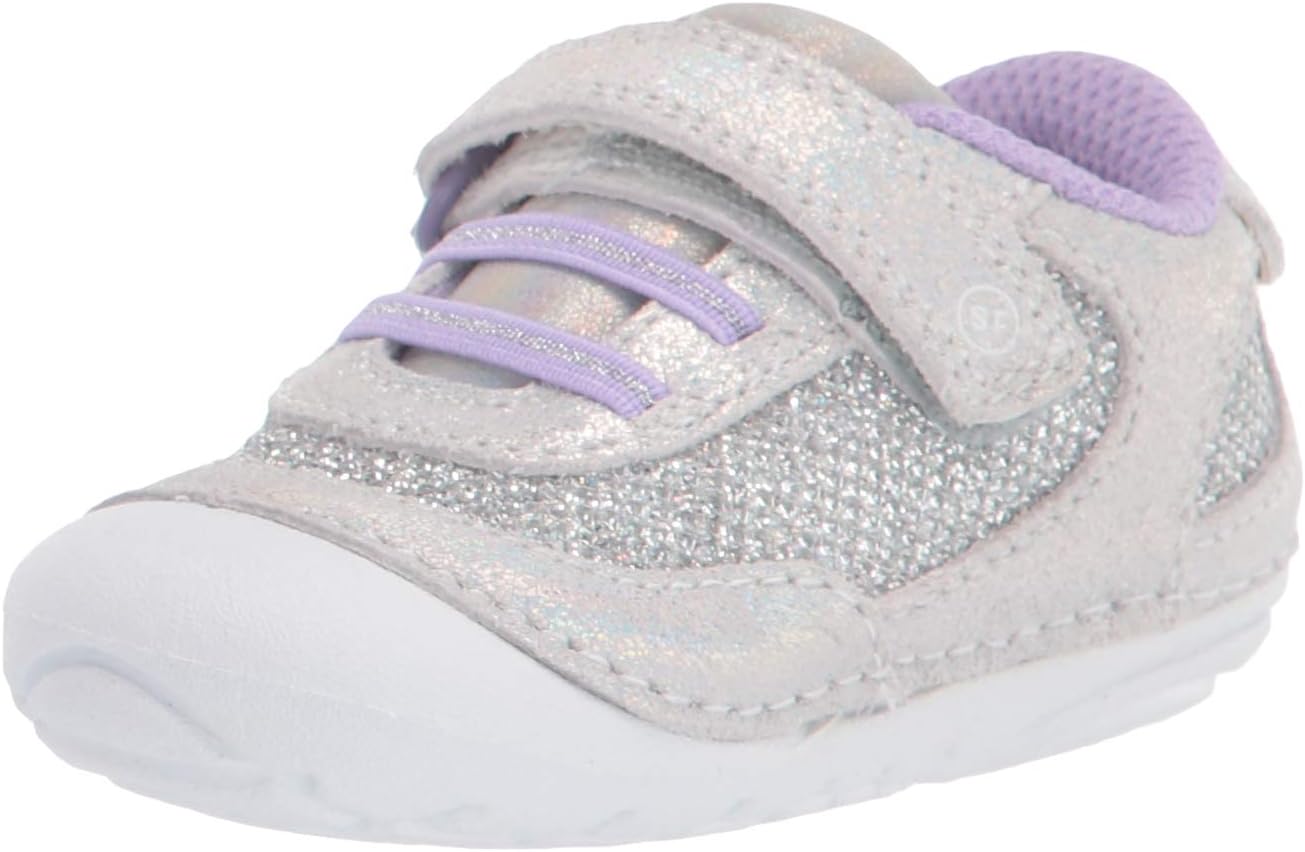
Stride Rite
sneaker · hook-and-loop strap; elastic laces
Amazon link available
Stride Rite
sneaker · hook-and-loop strap
Amazon link availableNo. Heat can affect materials and adhesives, while thick socks add pressure to a questionable fit. Keep the shoe unaltered and choose the correct length, width, volume or model.
An exact model may soften according to its maker, but that is not permission to buy a pair that already crowds toes or causes pain. Verify acceptable fit before ordinary wear and ask the manufacturer about material behavior.
Ask the shoe manufacturer whether alteration is supported for that model and how it affects care or warranty. A service cannot guarantee the new geometry fits the child; replacement is the more predictable route for a mismatch.
Check both foot measurements, socks, debris, lining and removable parts, then compare the shoes for asymmetry. Return or contact the maker about a possible defect; do not stretch only one side by guesswork.