
Crocs
Toddler Classic Clog
clog · pivoting heel strap
Amazon link availableBuying guide
Match 12 toddler shoe types to daycare, playgrounds, weather, water, events, travel, early steps, and practical backup roles.
The best toddler shoes are not a single ranked pair because a daycare room, a muddy trail, a wedding, and a splash pad ask different things of footwear. A more useful shortlist starts with the day's dominant routine. The twelve types below are role labels, not product endorsements. Each role tells you what to verify on the exact model and where the category stops being useful. A child may need only two of these types, may already own a pair that covers several, or may require a seasonal specialist for a few months. Begin with measured feet and the strictest recurring environment. Then choose the simplest closure, coverage, care method, and outsole that satisfy that job. This routine-first map narrows shopping without pretending that age, popularity, or a brand name can determine fit.
A daycare sneaker should meet the center's closure and coverage rules, remain secure through playground movement, and be manageable for the adults who refasten it. Look for a clearly labeled size, a practical opening, and care directions compatible with frequent dirt. An indoor change shoe serves a different purpose where centers require separate clean footwear or soft classroom use. It should stay on during ordinary indoor movement and fit with the socks worn inside. Do not assume slippers, socks with grips, or open-backed shoes are accepted; ask. If one pair moves between indoor and outdoor settings, confirm the handoff routine so it is not missing when the child needs to leave.
For repeated running, climbing, stops, and turns on a playground, prioritize heel retention, forefoot space, closure security, and an outsole intended for active children's use. An athletic label does not guarantee those results, so inspect the specific model. A neighborhood walking shoe can be a simpler everyday sneaker if routes are predictable and the child is not encountering specialized terrain. In both roles, observe movement in the intended socks and reject repeated slipping or pressure. The walking pair may also cover errands and casual visits, reducing the rotation. The playground pair earns separation only when the activity, surface, or wear pattern creates a requirement the general shoe cannot reasonably meet.
A rain boot manages shallow wet conditions and messy ground when its height, opening, and material suit the route. Check heel movement, sock thickness, and whether the child can navigate steps without the shaft interfering. An insulated winter boot adds a warmth and weather brief that must be verified from the exact product description. Waterproof language, insulation, and temperature claims should never be inferred from appearance. Neither boot is an automatic all-day indoor shoe. Plan where it will be changed, how damp liners recover, and which dry pair follows. Seasonal footwear should be measured with the intended sock and rechecked throughout the season rather than purchased far ahead for hoped-for growth.
A water sandal belongs at splash areas, beaches, or warm outings when the manufacturer identifies it for that exposure. Verify toe coverage, heel fastening, drainage, debris entry, and post-use cleaning. It should not inherit universal traction on wet surfaces. A closed summer sneaker offers more coverage for playground mulch, errands, and daycare while using breathable materials or lighter construction. Ventilation alone does not make it water-ready. Choose between them by tracing the full outing after the water ends. Many families benefit from a water pair plus a dry general shoe rather than asking one damp model to continue through every stop. Allow adequate drying before packing footwear away.
An event shoe meets a defined appearance requirement for a known timeline. Test it with the actual tights or socks and decide whether it will be worn all day or changed after formal moments. A travel transition shoe is selected for repeated on-and-off at cars, security points, family homes, or hotel rooms while still staying secure during movement. Wide openings, pull tabs, and simple closures can help, but convenience must end in reliable heel hold. Neither role requires an entirely new pair if an existing clean sneaker satisfies the conditions. For travel, pack according to destinations and weather rather than adding footwear for every imaginable problem.
A first-step shoe should correspond to the child's current movement and surfaces, with model information that explains its size range, outsole, and intended use. Avoid turning softness or flexibility into a medical promise. Fit the opening, instep, heel, and toe area, then observe calm natural steps. A dry backup pair is not a category defined by style; it is any suitable, currently fitting shoe kept available when the main pair is wet, dirty, or stored elsewhere. Its value comes from readiness. Label it, inspect it, and make sure caregivers know its location. These final roles bookend the routine: one addresses a transition in movement, and the other protects the schedule from ordinary disruptions.
Circle only the roles that occur in the next season. Combine them where one exact model legitimately satisfies both, and separate them where rules or conditions conflict. For each remaining role, write required size system, width if offered, closure, coverage, surface, care, and storage location. Search by these facts rather than by the word best. Verify every finalist on the current manufacturer and retailer pages, then use return terms that permit a clean indoor trial. A role map is successful when it leaves a small number of defensible candidates. It is not a mandate to own twelve pairs, nor a ranking that remains correct after the child's measurements or routine changes.
Reviewed model starting points
These model families link to Amazon listings. Check the selected size, width and color because availability and features can vary.
Crocs
clog · pivoting heel strap
Amazon link available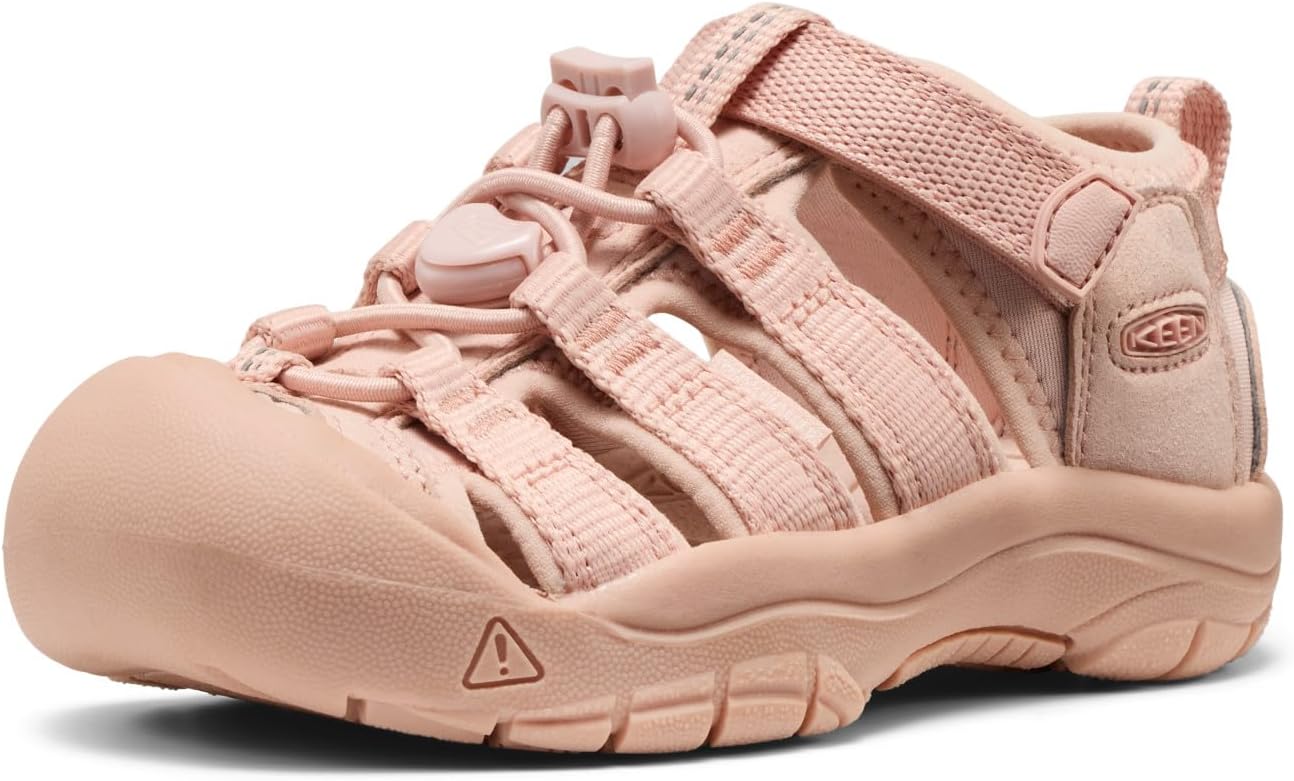
KEEN
closed-toe sport sandal · bungee laces; hook-and-loop strap
Amazon link available
KEEN
closed-toe sport sandal · bungee laces; hook-and-loop strap
Amazon link availableChoose the type that covers the most common setting while meeting closure, coverage, surface, and care needs. For many routines that is a secure general sneaker, but the exact model still needs a fit check.
No. The list is a role map. Select only recurring needs, combine compatible roles, and avoid buying specialists for conditions the child does not encounter.
They are useful for suitable wet conditions, but consider indoor wear, shaft movement, drying, and the product's stated purpose. A dry change pair may still be needed.
Eliminate candidates that miss a nonnegotiable rule, size option, closure, or surface need. Compare the remaining exact models indoors with planned socks and ordinary movement.